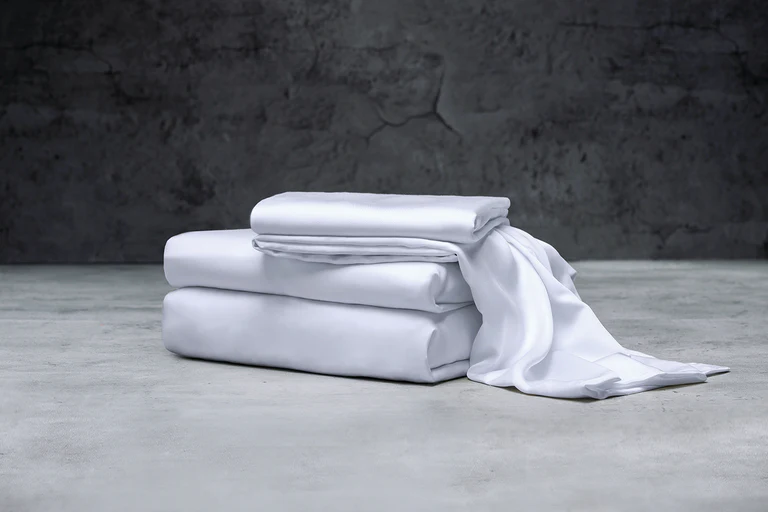
Bedding Manufacturer: The Real Lead Time Behind Your Delivery Date Exposed
You have heard it a dozen times from a dozen bedding manufacturers: “Thirty days. Deposit to shipment, thirty days.” Then day thirty comes and your agent’s chat bubble turns grey. Day forty passes. Day fifty-five arrives with your goods still in the sewing line, and your retail launch date burns like a fuse. If you are reading this, you already know the feeling: the delivery date on the quotation and the delivery date on the calendar are two different dates. The difference between them is not bad luck. It is a difference in definition. Every bedding manufacturer on Earth quotes lead time from the same starting line. Almost none of them tell you where that starting line actually is.
This article is written to expose the real lead-time calendar of bedding production — every stage, the seasonal traps that stretch it, and the buffer strategy experienced importers use to land on shelf exactly when planned. We publish it because we would rather lose an order to a buyer who knows the truth than win one built on a thirty-day fairy tale. That is the honest way to run a factory, and it is the reason our customers keep coming back to पूर्णता कपडा season after season.
Lead Time Has Two Starting Lines (Only One Is Real)
When a bedding manufacturer says “45-day lead time,” you naturally count 45 days from the moment you say go. The factory counts from a different moment entirely: the day all production prerequisites are complete — deposit received, bulk fabric approved, lab-dip colors signed off, artwork and construction locked, labels and packaging confirmed. Everything before that starting line is invisible to the quotation, but it is very visible to your calendar.
Consider what a real order timeline looks like for a typical dyed sheet set with two pillowcases:
- दिन -30 to Day 0: The hidden pre-production phase. You exchange specs, the factory sends counter samples or lab dips, you approve colors, and payment terms are finalized. If you are developing a new fabric or a custom print, this phase alone can run four to eight weeks. Most buyers count zero days here. Factories count zero days here. Your calendar counts all of them.
- दिन 0: The real starting line. Deposit lands, final sample is approved, every component is locked. Only now does the quoted lead time begin.
- दिन 0 to Day 60: उत्पादन, QC, and packing. This is the number on the quotation — and it is the only honest part of most quotes.
- दिन 60 onward: Export logistics. Container booking, भन्सार निकासी, vessel schedules, and the ocean voyage itself. Shipping is almost never included in a factory’s lead time quote, yet buyers habitually fold it into their planning.
A buyer who plans “45 days of production + 30 days of shipping” from the day they start sampling is really looking at 75 days plus the entire sampling window. The gap between those two plans is where launches die. The first question you should ask any bedding manufacturer is not “How long is your lead time?” It is “When exactly does your lead-time clock start ticking?” Our factory answers that question on page one of every quotation, and we suggest you hold every supplier to the same standard.
The Real Production Calendar, Stage by Stage
Strip away the salesmanship and a bedding order moves through seven stages. Here is what each one really costs in calendar days for a standard order of a few thousand sets — the scale most mid-sized importers and e-commerce brands actually buy.
1. Fabric Allocation and Preparation (7–15 Days)
Every bedding order begins with fabric, and fabric is where most delays are born. A manufacturer has three paths: use greige fabric already in the warehouse, order greige from the mill, or weave to order. Warehouse stock is fastest but limits you to the factory’s existing programs. Mill-ordered greige for dyed or printed fabric typically needs one to two weeks before dyeing can even begin, and longer during peak season when mills are oversubscribed. This stage is invisible in a “30-day” quote because the quote assumes fabric is already waiting. Ask whether it is. If the answer is “we order after deposit,” add two weeks to your plan.
2. Lab Dips, Strike-Offs, and Approvals (5–15 Days)
Dyed fabric requires a lab dip — a small dyed swatch matched to your Pantone reference. Printed fabric requires a strike-off. The factory turns these around in roughly a week; the variable is you. Every revision restarts the clock. Buyers who send precise Pantone references and approve within 48 hours move through this stage in five days. Buyers who request three rounds of “slightly warmer” move through it in three weeks. This is the single most buyer-controlled variable in the entire calendar, and the one importers most often blame on the factory.
3. Dyeing, Printing, and Finishing (10–25 Days)
Bulk dyeing of cotton or Tencel fabric runs about one to two weeks including drying and finishing; rotary printing runs longer, especially for multi-color designs that need separate screens engraved and registered. Finishing processes — sanding, mercerizing, wrinkle-free treatment — add their own days. Note the seasonal wrinkle: dye houses are busiest in late summer when the whole industry races Christmas and Chinese New Year, and their queues can add a week or more that no individual factory can wish away.
4. Cutting and Sewing (15–25 Days)
This is the stage the “30 दिनहरू” number usually describes. A sheet set — fitted sheet, समतल पाना, pillowcases — passes through cutting, hemming, elastic insertion, and topstitching. Duvet cover sets add zipper or button insertion, corner ties, and often piping. Quilted bedding needs the quilting run itself plus binding. For a few thousand sets, a well-staffed sewing line needs two to four weeks. The real variable here is not speed but queue: your order joins a line shared with other customers, and during the autumn rush your slot may wait before it starts.
5. Embroidery, Special Details, and Quality Control (5–10 Days)
Embroidered logos, decorative stitching, and custom details are usually produced on separate equipment with their own schedules. Full-width QC — checking every piece for stains, needle holes, measurement accuracy, and shade consistency — is the last gate before packing. Serious manufacturers inspect piece by piece; the difference between a factory that spot-checks and one that checks 100% is measured in days of calendar and in containers of claims avoided. Nantong अखंडता कपडा has run piece-by-piece inspection as standard for years, because a claim settled at the factory costs pennies against a claim settled in your warehouse.
6. प्याकिङ (3–7 Days)
Bedding is bulky. Folding a duvet cover set to retail spec, inserting it into a PVC bag or gift box, sealing, and cartonizing thousands of sets is genuinely a week of work — more if your packaging has custom boxes, inserts, or hangtags that must be matched to sizes. Custom packaging often has its own lead time of its own from the box supplier, which should be ordered in parallel with production, not after it.
7. Container Loading and Export (7–15 Days)
Booking a container during normal months takes a few days; during peak shipping season it can take two weeks, and vessel schedules add their own gaps. Customs inspection adds uncertainty on some routes. None of this belongs to the factory’s production lead time, strictly speaking — but it absolutely belongs in your planning, because your goods are not yours until the bill of lading is in your hands.
The Seasonal Calendar That Reschedules Everything
Bedding manufacturing in China runs on a seasonal rhythm that experienced buyers plan around and new buyers collide with. Mark these windows on your calendar:
- Chinese New Year (late January to late February). Factories shut down for two to three weeks, and migrant workers often leave early and return late. Dye houses and mills restart unevenly. Any order planned to ship in February or March should have been placed before the holiday, with fabric dyed and approvals finished. A deposit sent in January ships in April. Plan accordingly.
- The autumn production peak (August to October). Christmas, Black Friday, and the following Chinese New Year all pile into this window. Factory queues lengthen, dye houses stretch, and shipping rates and container availability tighten simultaneously. If you want autumn shelf dates, your order should be in production by early summer — not negotiated in September.
- The spring window (March to May). This is the most comfortable ordering period of the year. Lines are open, materials flow, and lead times quoted are the lead times delivered. Smart buyers front-load their autumn programs here.
- Mill-side seasonality. Cotton prices and greige availability follow the harvest cycle, and finishing houses occasionally face power-rationing or environmental inspections that slow dyeing. A manufacturer with long-standing mill relationships — the kind built over eighteen years of continuous business, like our factory has held since our founding in 2007 — gets priority in tight months. A trading company buying greige on the spot market does not.
Buffer Strategy: How Experienced Buyers Schedule Orders
Professional importers do not trust a single number. They build their schedule backwards from the on-shelf date and add buffers where buffers belong:
- Anchor on the on-shelf date, not the ship date. Start with the date the product must be selling. Subtract ocean freight and customs (4–6 weeks for US West Coast, 6–8 for East Coast via Panama, longer for Europe and Australia). Subtract 1–2 weeks of shipping buffer. What remains is your required factory-ship date.
- Add a production buffer of 15–20%. If the quoted production lead time is 50 दिनहरू, plan for 60. The buffer covers the revision you will inevitably request, the week the dye house queue slips, and the container that misses its vessel. Buyers who run on zero buffer do not save time; they convert every small delay into a missed launch.
- Front-load every approval. The pre-production phase is the cheapest place in the calendar to buy speed. Approve lab dips within 48 घण्टा. Send Pantone references, not “something like this blue.” Lock packaging artwork before bulk fabric is dyed so boxes and goods finish together. A buyer who approves fast routinely beats the quoted lead time; a buyer who revises slowly routinely doubles it.
- Split seasonal programs. Instead of one giant autumn order, place the repeat core program early (March–May) and a smaller top-up order in summer once sales data confirms demand. Two smaller orders with real timelines beat one big order with a fantasy timeline — and the top-up order doubles as insurance.
- Deposit early, even before final tweaks. Many buyers wait to send the deposit until every detail is perfect. But a deposit in the factory’s hands reserves your production slot and lets fabric procurement start. If minor details are still open, ask whether the factory can begin fabric preparation against the deposit while you finalize trims — most good manufacturers will.
- Get the calendar in writing. Ask for a production timeline with milestones: fabric ready date, bulk dyeing complete, sewing start, QC complete, loading date. A factory that can commit to milestones can be managed to milestones. A factory that only commits to “45 दिनहरू” cannot be managed at all.
Five Questions That Expose a Manufacturer’s Real Lead Time
Before you place an order, put these questions to your bedding manufacturer. The answers will tell you more than any quotation:
- “Does the quoted lead time start at deposit, at sample approval, or at fabric readiness?” The honest answer names all three conditions. The evasive answer is a single number.
- “Is the fabric already in your warehouse, or do you order it after my deposit?” This one question reveals whether two weeks of your calendar are already accounted for.
- “What is your current production queue, and when would my order actually start sewing?” A factory with ~143 staff and ~40,000 sets of monthly capacity knows its queue position to the week. A middleman does not.
- “How many rounds of lab dips or strike-offs are included, and how fast is your turnaround per round?” Unlimited revisions sound generous; they are actually a schedule with no end.
- “What happens to my slot if my approval is a week late?” The answer reveals whether you have a reserved production plan or merely a hopeful one.
मा पूर्णता कपडा, we run one more practice that our customers value: हाम्रो “लक्षित मूल्यको सम्मान गर्नुहोस्” one-price model. You name a target price after comparing other suppliers’ quotations; we answer yes or no. No rounds of haggling that burn two weeks before the real lead time even starts. The negotiation phase that silently eats so many buyers’ calendars simply does not exist in our process — and that, पनि, is lead time you get back.
बारम्बार सोधिने प्रश्नहरू
What is a realistic lead time for a bedding set order from a Chinese manufacturer?
For a standard dyed sheet set or duvet cover set of a few thousand pieces, plan on 45–60 days of production from the true starting line — deposit paid, sample and colors approved, fabric allocated — plus the sampling and approval phase before it and ocean freight after it. Custom prints, कढाई, or custom packaging add one to three weeks. Any quote promising under 30 days from a cold start deserves hard questions about which stages were counted.
How long does sampling take before production can start?
Counter samples typically take 10–15 days including courier time. Lab dips take about a week per round; strike-offs for printed designs take slightly longer. Buyers developing a new fabric, a custom weave, or an original print should budget four to eight weeks of development before bulk production is even possible. Approving quickly is the single fastest way to compress the pre-production phase.
When should I place my order for Christmas or Black Friday sales?
Work backwards: for US shelf dates in late November, goods should ship from China by early to mid-September at the latest. With 45–60 days of production plus approvals, the order should be placed and the deposit paid by June or July — earlier for custom prints or new developments. Orders negotiated in September for a Christmas launch are the industry’s most common planning failure.
Does Chinese New Year really stop production for a month?
Effectively, हो. Factories close for two to three weeks around the holiday, and the ramp-down before and ramp-up after add more. Dye houses, mills, and trim suppliers all pause on different schedules, so even factories that reopen quickly may wait on materials. Treat the entire period from roughly two weeks before to three weeks after the holiday as unplannable, and place any Q1-shipping orders before the break with fabric already prepared.
How can I tell if a manufacturer’s lead time quote is trustworthy?
Look for three things: a defined starting line (deposit plus all approvals), a milestone schedule rather than a single number, and a realistic answer about the current queue. Manufacturers with their own production floor — like our ~30,000 sqm facility in Tongzhou District, Nantong — can tell you exactly when your order starts sewing. Be cautious with quotes that include freight time in the production number, or that never mention lab dips, रंगाई, or QC as separate stages.
Can lead time be shortened without sacrificing quality?
कहिलेकाहीँ, and the levers are mostly in your hands: choose fabrics the factory already stocks, approve lab dips within days, finalize packaging artwork early so boxes are produced in parallel, and pay the deposit promptly to reserve your slot. What cannot be shortcut is dyeing, परिष्करण, and piece-by-piece QC — compressing those stages is how defects are born. A trustworthy manufacturer will tell you which parts of the calendar are flexible and which are not.
Plan the Truth, Not the Quote
The real lead time behind your delivery date is not a number on a quotation. It is a calendar: sampling and approvals you control, fabric and dyeing the season controls, sewing and QC the factory controls, and shipping the ocean controls. Buyers who plan the whole calendar land on shelf on time. Buyers who plan only the quoted number spend their launch week explaining delays.
We are पूर्णता कपडा — Nantong Integrity Textile, a mid- and high-end home textiles manufacturer in Tongzhou District, नान्टोङ, जियाङसु, चिनियां माटो, operating since March 4, 2007. We produce bed sheet sets, duvet कभर सेट, quilted bedding, fabrics in cotton, लिनेन, बाँस, Tencel and flannel, होटल लिनेन, कम्बल, र तकियाहरू, with full OEM/ODM service from our ~30,000 sqm production space with ~143 staff. Our monthly capacity runs to roughly 40,000 ओछ्यान सेट र 25,000 duvet sets, and our quality systems are certified to ISO9001, ISO14001, ISO45001, र OEKO-TEX मानक 100. Our rule is simple: respect your target price — you name it, we answer yes or no — and respect your calendar by telling you the real one.
If you are planning your next bedding program, send us your specs, लक्ष्य मूल्य, and on-shelf date, and we will return a milestone-by-milestone production calendar you can actually manage — plus a straight yes or no on your price. हामीलाई सम्पर्क गर्नुहोस् at Alex@integritytex.com, Whatsapp +86 151 5289 1159, or visit www.integritytex.com. The honest calendar is the one that gets your goods on the shelf on time.