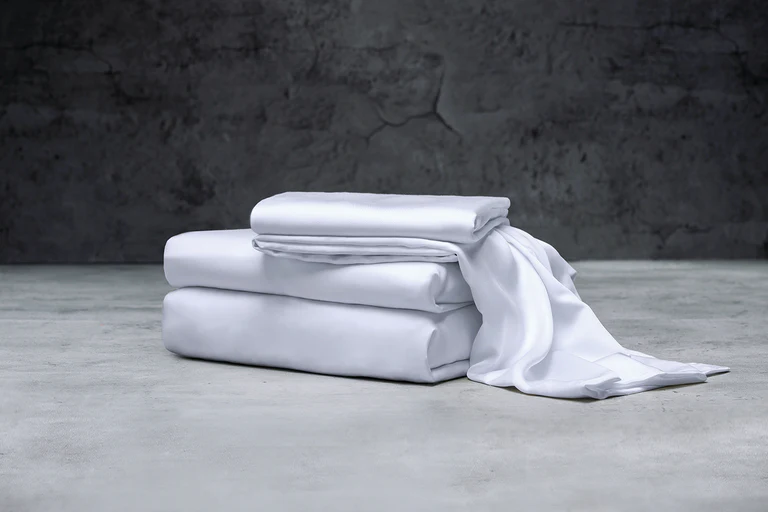
Hotel Bedding Manufacturers Factory Audit: A Buyer On-Site Checklist Guide
Hotel bedding is unforgiving. A sheet that survives a home wash cycle may fail after its fiftieth commercial laundry cycle. A pillow that feels luxurious in a showroom may flatten under nightly hotel use. A duvet cover that looks crisp on delivery may lose its whiteness, its shape, or its closure strength within a season. Hotel buyers know this, which is why experienced procurement teams do not choose a hotel bedding manufacturer from a catalogue alone. They audit the factory, in person or through a trusted auditor, before they commit a property, a chain, or a brand reputation to its products.
A factory audit is not a formality and it is not an interrogation. It is a structured visit that answers one question: can this factory consistently make the bedding your guests will sleep on, wash after wash, shipment after shipment? This guide gives hotel buyers a practical on-site checklist, covering the areas that matter most and the questions that reveal the most. ТЕКСТИЛЬ is a mid-to-high-end home textile manufacturer in Tongzhou, Жоқ, Цзянсу, founded on 4 March 2007, producing hotel linen alongside sheet sets, Көркем жамылғысы жиынтығы, quilted bedding, маталар, көрпелер, and pillows on an OEM and ODM basis. Use this checklist to evaluate any hotel bedding supplier, and to prepare for a visit that protects your guests and your brand.
Before You Arrive: Documents to Request in Advance
A good audit starts before you travel. Request the factory’s business licence and scope, its quality management documentation, its product certifications, and its recent inspection records for hotel bedding orders. Ask for a production flow summary for the hotel products you intend to buy, including fabric preparation, кесу, тігу, аяқтау, inspection, and packing. Ask for a list of the commercial laundry standards or wash tests the factory uses for hotel linen, and for examples of how it handles a lot that fails its internal checks. A factory that provides these documents promptly and completely is already signalling transparency. A factory that delays, deflects, or provides only marketing material is giving you information too, and you should weigh it accordingly.
Also prepare your own audit plan before arrival. Define the products you will audit, the questions you will ask in each production area, and the samples you want to see: raw fabric, work in progress, finished goods, and packed goods. Bring your specification, including sizes, fabric requirements, whiteness expectations, shrinkage limits, and labelling requirements, so that you can compare what you see on the floor with what you require on paper. An audit without your specification in hand becomes a general tour. An audit with your specification becomes a verification exercise, which is what you need.
On the Floor: Мата, Cutting, and Sewing
Start in the fabric area. Look at how fabric is stored, whether it is protected from moisture, шаң, and sunlight, and whether dye lots are identified and kept separate. Ask how shade is checked, and whether fabric for one hotel order is grouped by lot through cutting and packing. For hotel bedding, whiteness and shade consistency matter enormously, because a guest notices immediately when pillowcases in one room do not match, and a housekeeping team notices when replacement pieces do not match the original set. Ask to see fabric inspection records and wash test results for hotel fabrics, and note whether the factory tests for shrinkage and colour performance after commercial-style washing, not only after a gentle home wash.
Move to cutting and sewing with the same focus. Check whether cutting is measured and recorded, whether size runs are labelled and separated, and whether fitted sheets and duvet covers are cut to account for shrinkage. In sewing, observe stitch quality, hem consistency, and corner construction for fitted sheets. Ask what inline checks are performed between workstations, and how a faulty piece is removed from the line. For hotel products, pay special attention to closures on duvet covers, elastic on fitted sheets, and the strength of seams that will face repeated commercial laundering and high-temperature pressing. A tidy, well-lit sewing floor with visible quality checks is a good sign. A chaotic floor where faults are only caught at the end of the line is a risk you will inherit.
Бастау, Inspection, Қаптама, and the Warehouse
After sewing, examine finishing and final inspection. Ask to see the inspection area, the lighting used, and the defect list the inspectors work to. A credible final inspection checks components, өлшемдері, тігістер, appearance, shade within a set, and labelling, and it records results rather than relying on memory. Ask how many pieces are inspected per lot, what sampling method is used, and what happens to a lot that fails. If the factory cannot answer those questions specifically, its final inspection may be less systematic than its brochure suggests.
Packing and warehousing complete the picture. Check that finished hotel sets are folded consistently, packed in the correct assortment, protected against moisture, and labelled accurately. Look at the warehouse: are goods stored off the floor, protected from damp, and organised so that orders cannot be mixed? Ask how traceability works, so that if a hotel reports a problem with a particular batch, the factory can identify when it was made, from which fabric lots, and on which lines. Traceability is not paperwork for its own sake. It is what allows a supplier to contain a problem to one batch instead of casting doubt over an entire shipment.
People, Басқару, and Commercial Laundry Reality
A factory audit should also look at people and management, because systems are operated by humans. Ask how operators are trained, how new workers are supervised, and how quality responsibilities are assigned on each line. Ask who is responsible for quality decisions, and whether that person has the authority to stop production when a problem is found. A quality manager who cannot stop a line is not a quality manager in practice. Observe working conditions, қауіпсіздік, and housekeeping, because a factory that manages its people and its premises carefully is more likely to manage your product carefully as well.
Соңында, bring the conversation back to commercial laundry reality, which is the defining test for hotel bedding. Ask the factory to explain, in plain terms, how its hotel sheets, Дуэт қақпағы, and pillowcases are designed to survive repeated commercial washing, pressing, and handling. Ask for wash test data, for shrinkage and whiteness results after multiple cycles, and for examples of hotel products that have performed well over time. You can review the background of Nantong Integrity Textile as part of your preparation, and use its OEM and ODM hotel linen experience as a point of comparison. A supplier that understands laundry reality will talk about it readily. A supplier that has never considered it will change the subject, and that tells you what you need to know.
Turning Audit Findings Into a Decision
After the visit, write up your findings promptly, while details are fresh. Score each area against your requirements, note strengths and weaknesses with evidence, and list corrective actions with deadlines where you found gaps. Share the report with the factory and ask for its response, including what it will change and by when. A constructive factory will welcome a factual report and respond with specific actions. A defensive factory will dispute observations without evidence. That response is itself part of your evaluation, because it predicts how the factory will handle a quality problem after you become a customer.
An audit does not need to be perfect for a supplier to be acceptable. Every factory has areas to improve. What matters is whether the critical areas, fabric control, sewing quality, final inspection, packing, and traceability, are sound, and whether the factory is honest about its gaps and willing to close them. Біздің зауыт works on a “Мақсатты бағаны құрметтеңіз” one-price model: you name one price, and the factory answers yes or no. Audit honesty works the same way. A factory that shows you its real process, including its weaknesses, is a factory you can build a hotel supply relationship with, because you know what you are buying and what to monitor.
Жиі қойылатын сұрақтар
Do I need to visit the factory in person, or can I use a third-party auditor?
Both approaches work. A personal visit gives you direct impressions and relationship insight, while a third-party audit gives you independent, professional evidence. For a first hotel order or a large chain commitment, many buyers combine both: a third-party audit for systematic evidence, plus a personal visit for the relationship. Whichever route you choose, make sure the auditor works to your specification, not only to a generic checklist.
What is the single most important area to audit for hotel bedding?
Fabric control and wash performance are usually the most important, because hotel bedding lives or dies by commercial laundry survival. If fabric shade, кішірейту, and whiteness are not controlled, no amount of good sewing will save the product. Inspect fabric records and wash test data before you focus on other areas.
How should I handle audit findings that need correction?
Record each finding with evidence, agree corrective actions and deadlines with the factory, and verify the corrections before you place a bulk order or before the next shipment, depending on severity. Critical findings should block ordering until corrected. Minor findings can be monitored through your regular inspection process.
Should I audit a factory before or after receiving samples?
Ideally, do both in sequence: evaluate samples first to confirm the product direction, then audit before committing to bulk production. Samples tell you what the factory can make when it tries its hardest. An audit tells you whether it can make that product consistently, at scale, under commercial conditions.
What documents should I ask for after the audit?
Ask for the factory’s response to your findings, any revised procedures, updated wash test data where relevant, and confirmation of the production specification for your order. Keep these documents with your audit report, so that your next order and your next audit can build on the same record.
How often should I re-audit a hotel bedding supplier?
Re-audit when something significant changes, such as a new product range, a new production site, or a pattern of quality problems, and otherwise on a regular cycle that suits your risk level, for example annually for a key supplier. Regular re-audits keep standards visible and prevent quiet drift over time.
Ready to Audit With Confidence, and Source Hotel Bedding That Lasts?
Hotel guests may not know who made their bedding, but they know when it feels right, looks crisp, and survives wash after wash. A factory audit is how you make sure of that before you commit, rather than discovering problems in guest complaints. Prepare your specification, walk the floor with a checklist, ask about laundry reality, and turn your findings into a clear decision. If you are sourcing hotel linen, парақ жинақтары, Көркем жамылғысы жиынтығы, or pillows and want a manufacturer that welcomes a structured audit conversation, бізбен хабарласыңы to discuss your requirements. Reach us at Alex@integritytex.com, Whatsapp +86 151 5289 1159, or through www.integritytex.com. INTEGRITY TEXTILE operates from about 30,000 square metres with around 143 staff, monthly capacity of about 40,000 sheet sets and 25,000 Көркем жамылғысы жиынтығы, and certifications including ISO9001, ISO14001, ISO45001, және OEKO-TEX стандарты 100. Send us your hotel specification and your audit questions, and we will give you a straight, evidence-based answer.