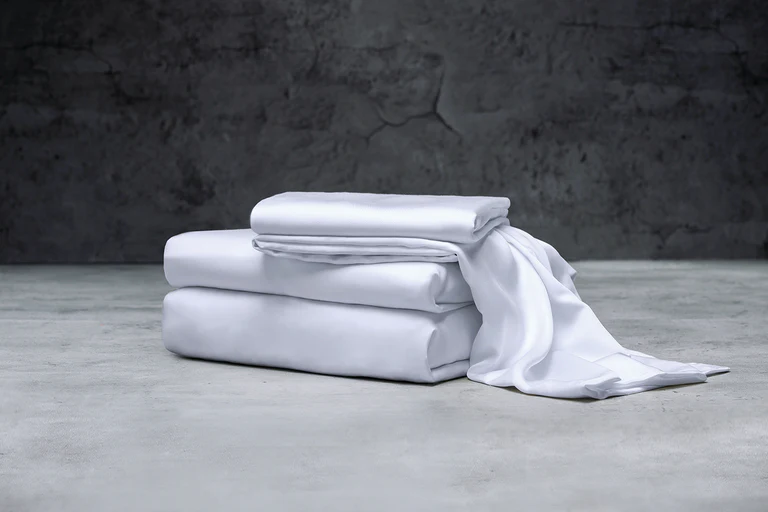
В редчайших случаях, одежда состоит всего из одного ингредиента. Особенно на этикетках спортивной и функциональной одежды., помимо инструкций по уходу обычно приходится много читать: Смесовые ткани из хлопка и полиэстера., мериносовая шерсть и спандекс, вискоза и нейлон– возможности комбинирования безграничны, и ткань часто содержит гораздо больше, чем просто два компонента. Почему индустрия спорта и активного отдыха предпочитает использовать смесовые ткани и что следует учитывать при их покупке и уходе за ними, вы можете узнать здесь.
Смесовые ткани сочетают в себе лучшие свойства из разных миров.
Сочетание как минимум двух типов волокон в смесовой ткани направлено на компенсацию их недостатков или объединение различных преимуществ.. В ткани особенно часто комбинируют натуральные и синтетические волокна, чтобы добиться идеальных ощущений при ношении и улучшить возможности обработки и ухода., или просто сделать материал более доступным.

На свежем воздухе — это природа, отношение, ключевая компетенция для регенеративной экономики. Будьте там на следующем OutDoor от ISPO от 04 к 06 Июнь и получите ценную информацию от отрасли и сообщества..
Смеси натуральных и синтетических волокон идеально подходят для спортивной одежды.
Хлопок и полиэстер — идеальные партнеры для изготовления высококачественных смесовых тканей.: Натуральное волокно обеспечивает высокую воздухопроницаемость и комфорт при ношении.. Синтетическое волокно обеспечивает предпосылки для эластичности., сохранение формы и долговечность. Благодаря этому эти смесовые ткани прекрасно подходят для активной носки., уличные и функциональные ткани, такие как G-1000 компании Fjällräven.. В зависимости от требований к текстилю, соотношение смеси так называемого поликоттона варьируется – содержание хлопка обычно находится между 50 и 65.
Содержание синтетических волокон в смесовой ткани обеспечивает оптимальное управление влажностью.
Ни натуральные, ни синтетические волокна сами по себе не обеспечивают оптимального управления влажностью. Хлопок, например, очень впитывает, но сохнет очень медленно. Синтетические волокна с трудом впитывают влагу и поэтому быстро вызывают дискомфорт на коже при потоотделении.. Смешанная ткань обоих типов волокон устраняет эти недостатки.: The synthetic fiber content supports the transport of water vapor, while the cotton ensures that it absorbs perspiration and is breathable.
Trend: blended fabric with merino wool
The synthetic fiber combination also brings about the same advantages in blended fabrics with merino wool: wool shirts become easier to care for, more durable, more shape-retaining and elastic when synthetic fibers are added. Кроме того, a blended fabric of merino wool and synthetic fiber is more breathable than a pure wool product.
Полиэстер, полиамид, elastane, polyacrylic – what is the best addition?
There are many different textile fibers from the chemistry lab and they bring different capabilities. Polyester or polyamide are most commonly found in blended fabrics because both are very uncomplicated and inexpensive. The fibers provide stability in the fabric, make it lighter on balance and allow it to dry faster. Spandex is always used when it comes to stretchability, and polyacrylic is added for better sweat management.
How sustainable are synthetic blended fabrics?
As many advantages as blended fabrics made of natural and synthetic fibers bring, the combination of natural and synthetic fibers is not entirely unproblematic. Every synthetic fiber releases microplastics when washed, which are discharged directly into the environment via wastewater. When buying, look for blended fabrics that contain recycled synthetic fibers, often labeled rPET (click here for thelisticalwith sustainable sneaker brands). For these, no new resources were consumed. Однако, it is also important to know that there is still no mature technology for recycling synthetic fibers from blended fabrics again, because the separation of the different components is very difficult.
The most susceptible component determines the maintenance requirements of the blended fabric
From a sustainable perspective, functional clothing made from blended fabrics should only be washed as often as absolutely necessary. The synthetic fiber content can withstand a lot of care, but does not make the natural fiber content any less susceptible. That’s why the natural fiber usually determines the amount of care required when washing: blended fabrics with cotton and viscose are the least complicated, while (merino) wool is the most susceptible. It must not be washed too hot, dried or ironed.
Заключение
Blended fabric offers several advantages: The material combines the good properties of a wide variety of fabrics and is ideally suited for the production of sportswear. Однако, blended fabric is not harmless in terms of environmental protection – microplastics are released during washing, which are directly released into the environment through wastewater.
Часто задаваемые вопросы
Окончательно, we answer frequently asked questions on the subject.
What is blended fabric?
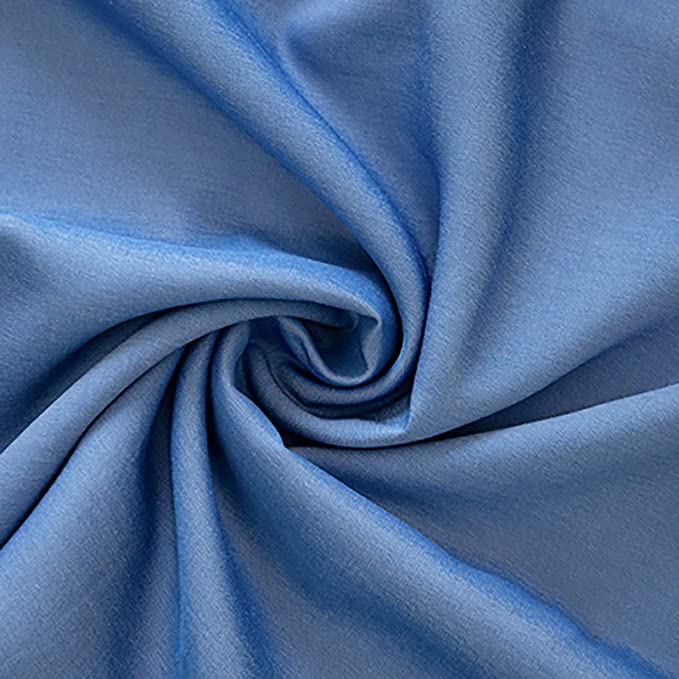
Blended fabrics consist of cotton and synthetic fibers. Microfiber fabrics are also used as basic materials. It is important to pay attention to the correct care, because the washing temperature and duration are determined by the most sensitive fabric in the blended fabric.
Which is better cotton or blended fabric?
The advantages of blended fabric over cotton include the fact that blended fabric hardly wrinkles and dries faster. A possible disadvantage is the fabric sensitivity, because the washing processes are based on the most sensitive fabric in the blended fabric.
Если вам нужна дополнительная информация о них,пожалуйста, проверьте адрес веб-сайтаhttps://www.jueaihome.com/fabrics/viscoselyocell/