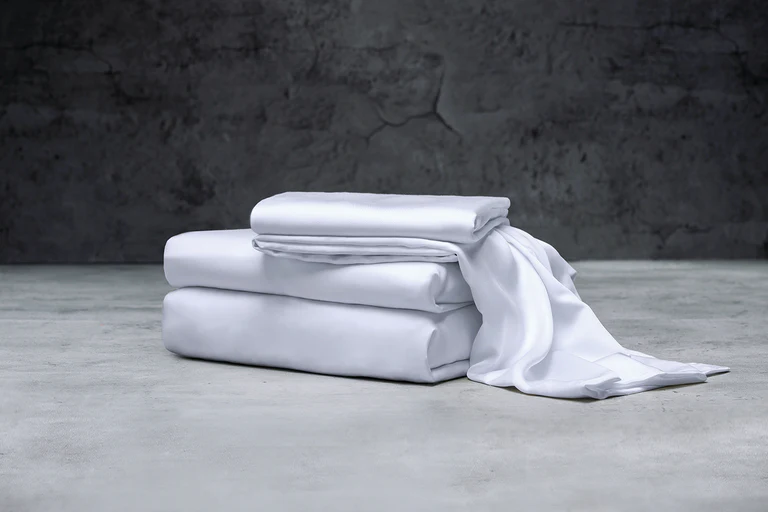
In 2024, an American e-commerce seller — call him Daniel — was living the private-label dream. His cotton sheet sets held a 4.7-star average across 3,000 reviews, and his reorder rate was the envy of his seller group. Keyin, in the ninth month, the one-star reviews started landing like hailstones: “fitted sheet corners ripped after two washes,” “the elastic gave out completely,” “shrunk three inches and won’t fit the mattress anymore.” Returns spiked, his listing tanked, and a forensic look at the returned sets told the real story. The fitted sheets had been cut slightly off-grain to squeeze more pieces from each fabric roll. The elastic was sewn with the wrong stitch tension, so it snapped instead of stretching. And the fabric had never been properly pre-shrunk during finishing, so the first hot wash did what the factory should have done. Daniel had vetted his supplier’s price, Mot, and certifications — but he had never asked a single question about what happens between the greige fabric roll and the polybag. That blind spot cost him his bestseller.
Every wholesale bed sheet you will ever sell passes through the same five stations: to'quv, dyeing and finishing, kesish, tikuvchilik, and pressing/packing. Quality isn’t created at final inspection — by then it’s too late. It is won or lost at each station, in decisions you will never see unless you know where to look. This article walks you through the full journey inside a real sheet factory, station by station, so you know exactly what to ask, what to demand, and what to look for on your next factory tour. The walkthrough below follows the production flow at Nantong Integrity Textile — roughly 30,000 square meters of production space in Tongzhou District, Nantong, Jiangsu, taxminan bilan 143 employees producing around 40,000 choyshablar va 25,000 duvet cover sets per month — because a concrete factory beats abstract advice every time.
Stansiya 1 — Weaving: Where Thread Count Is Born (and Sometimes Faked)
Everything starts with yarn. For a wholesale sheet program, the factory’s weaving mill — or its contracted weaving partner — turns yarn into greige (unfinished, undyed) fabric on air-jet or rapier looms. This is where thread count, the number buyers obsess over, is literally woven into existence: a “400TC” sheet means roughly 400 threads per square inch, and achieving it requires fine yarns (60s or 80s count) woven densely. Here’s what most buyers don’t realize: thread count is set at the loom and can never be added later. No finishing process, no softener, no marketing copy can put threads into fabric that isn’t there.
It’s also where the first frauds happen. The classic trick is the “plied yarn” inflation: twisting two thinner yarns together and counting each ply as a separate thread, so a true 200TC fabric gets sold as 400TC. On a factory tour, ask to see the loom specification cards and the yarn count being run. A transparent weaving operation will show you the reed number, the yarn count tickets, and the greige inspection records without hesitation. Ask what happens to greige rolls that fail inspection — the answer should involve a documented grading and downgrade process, not a shrug. And note the warehouse: greige fabric should be stored on A-frames or rolled (never folded, which creases permanently), in a climate-controlled space, with batch tags tracing each roll back to its yarn lot. If rolls are stacked on a damp floor with no tags, every quality promise downstream is built on sand.
Stansiya 2 — Dyeing and Finishing: Where Shrinkage Is Decided
Greige fabric is ugly: it contains sizing starch, natural oils, and loom lubricants. The dyeing and finishing stage — scouring, bleaching, bo'yash, and then mechanical and chemical finishing — transforms it into the soft, colorfast fabric your customers touch. For a wholesale buyer, this station decides three things that generate the most customer complaints in the industry: qisqarish, rang-baranglik, and hand feel.
Shrinkage is controlled by pre-shrinking processes (compressive shrinking on a sanforizing range) that force the fabric to shrink before it’s cut. A factory that skips or rushes this step — Daniel’s supplier did — ships sheets that shrink 5 uchun 8 percent in the customer’s first hot wash instead of the controlled 2 uchun 3 foiz. Ask the factory: what is your guaranteed residual shrinkage rate, and is it tested per batch or per season? The answer should reference actual test reports (AATCC or ISO methods), emas “our fabric doesn’t shrink.” Colorfastness is the second checkpoint: reactive dyes properly fixed and soaped give washing fastness of grade 4 or above; under-fixed dye bleeds in the wash and crocks onto skin. Ask to see the dyeing recipe cards and the lab’s fastness test records for your colorway — a real dyehouse keeps them by batch number. Third is finishing: softeners, easy-care resins, and calendaring create that “premium hand feel” buyers love at first touch. But heavy softener application washes out in three cycles, leaving customers feeling cheated. The question that reveals everything: “What is still on this fabric after five home washes?” Factories confident in their finishing will have an answer backed by wash-test data; the rest will change the subject.
Stansiya 3 — Cutting: Where Two Centimeters Decide Fit
Finished fabric moves to the cutting room, where it’s spread in multi-layer lays and cut by automated cutters or skilled manual cutters into panels for flat sheets, o'rnatilgan choyshablar, va yostiq jildlari. This quiet station is where fit is decided — and where margin-hungry factories quietly steal it. The two classic sins: cutting slightly off-grain (rotating the pattern a few degrees to nest more pieces per meter of fabric) and shaving the cut dimensions a centimeter or two under spec to stretch each roll further. Both are invisible in a folded polybag. Both are catastrophic on a customer’s bed: off-grain fitted sheets twist and pull, and undersized sheets pop off mattress corners at 3 a.m.
What to look for on the cutting floor: automated spreading machines with tension control (hand-spreading stretches jersey and sateen, building shrinkage into the cut piece); clearly posted marker plans showing the nesting layout; and — most telling — a first-piece inspection record at the start of each lay. Ask the cutting supervisor: “What is your tolerance on cut dimensions, and who signs off the first piece?” The professional answer is a number (typically ±0.5 cm on sheet panels) plus a name and a logbook. Then ask the question Daniel wishes he’d asked: “Show me how you verify grain line on a fitted sheet panel.” If the answer is confident and demonstrable, your sheets will fit. If it’s met with blank stares, keep walking — ideally out of the factory.
Stansiya 4 — Sewing, Hemming, and Elastic: Where Durability Is Sewn In
Cut panels arrive at the sewing floor — usually the largest workforce in the building — where flat sheets get their hems, pillowcases get their closures, and fitted sheets get the engineering that determines whether they survive two years or two months. This is the station buyers understand least and should interrogate most, because nearly every durability complaint in wholesale bedding traces back here.
Start with the fitted sheet, the most failure-prone product in the category. A proper fitted sheet has four engineered elements: corner seams sewn with a reinforced stitch (typically a 4-thread overlock plus a safety stitch, not a single line), full-perimeter elastic — not just corner elastic — with the correct draw ratio so the sheet grips without strangling the mattress, elastic sewn under consistent tension so it recovers evenly, and bar tacks or reinforcement at the four corner stress points. Daniel’s failed sheets had corner-only elastic sewn at uneven tension: the corners gripped while the sides billowed, and the stress concentrated exactly where the seams were weakest. On the sewing floor, ask to watch a fitted sheet corner being sewn start to finish. Then ask the line leader: “What stitch type and stitch density do you use on fitted corners, and what happens if an operator’s seam fails the pull test?” Listen for specifics — stitch codes, density numbers, a defined rework procedure. Vague answers (“our workers are very experienced”) are a red flag; experience without standards is just practiced inconsistency.
Flat sheets and pillowcases have their own checkpoints. A quality flat sheet hem is a wide, double-turned hem (typically 4 inches at the top) sewn with a clean, even stitch — narrow single-turn hems curl and fray. Pillowcase envelope closures should have a deep inner flap (at least 6 inches) so pillows stay put; shallow flaps are a cost-saving shortcut your customers will discover on night one. And across all products, thread matters more than buyers think: spun polyester or core-spun thread for seams (stronger than 100% cotton thread, which rots and breaks in the wash), matched in color and properly tensioned. Ask what thread the factory uses and why — it’s a five-second question that instantly reveals whether the sewing floor is run by engineers or by habit. Manufacturers like INTEGRITY TEXTILE, operating under ISO9001 quality management, document these parameters per style in technical packs that follow the product from cutting to packing — ask any prospective supplier to show you theirs.
Stansiya 5 — Pressing, Folding, Polybagging: Where First Impressions Are Made
The finished sheet sets move to pressing, folding, and packing — the station customers judge first and buyers inspect last, which is exactly backwards. Pressing isn’t cosmetic: proper steam pressing sets the seams, flattens hems, and reveals defects (skipped stitches, dog'lar, misaligned patterns) that are invisible in wrinkled fabric. Factories that press thoroughly catch problems; factories that fold straight off the sewing line ship them.
Folding deserves more respect than it gets. A consistently folded set — crisp edges, uniform dimensions, pillowcases nested inside the flat sheet fold — signals process discipline, and it directly affects your landed cost: uniform folds pack tighter, fitting more sets per carton and per container. Ask about the fold specification: is there a documented folding standard with measurements, or does each packer fold “ammo”? Then the final step: polybagging. The bag should be the right gauge (too thin tears in transit, too thick wastes money and plastic), properly sealed, with any required labeling, shtrix kodlari, and suffocation warnings applied straight and legible. Watch one carton being packed end to end and count the inspection touches: a serious operation inspects at pressing (defect catch), at folding (measurement and appearance check), and at carton sealing (quantity and assortment verification). If the only inspection in the building is a tired final check at the carton line, defects are being discovered at the most expensive possible moment — or by your customer.
Where Quality Is Won or Lost — The Five Stations at a Glance
If you remember nothing else from this walkthrough, remember this: each station has one decision that determines whether your wholesale sheet program thrives or dies, and each decision is invisible in a showroom sample.
- Weaving: true thread count vs. plied-yarn inflation — verified by loom spec cards and yarn tickets, not by the number on the quotation.
- Dyeing and finishing: controlled pre-shrinking and properly fixed dye vs. skipped sanforizing and under-fixed color — verified by batch shrinkage and colorfastness test reports.
- Kesish: on-grain, full-dimension cutting vs. rotated markers and shaved centimeters — verified by first-piece inspection records and grain-line checks.
- Sewing: engineered corners, full-perimeter elastic, correct thread vs. corner-only elastic and cotton thread — verified by watching a corner sewn and asking for stitch specifications.
- Pressing and packing: three inspection touches vs. one tired final check — verified by walking the line and counting.
Notice the pattern: at every station, the verification is a document or a demonstration, never a verbal assurance. “Our quality is very good” is not a quality system. Test reports, logbooks, spec cards, and live demonstrations are.
Your Factory-Tour Checklist — What to Ask at Each Station
Print this section and take it on your next supplier visit. A factory that welcomes these questions is a factory worth doing business with; a factory that resists them has told you everything you need to know.
- Weaving/greige warehouse: Show me the yarn count tickets and loom spec cards for my thread count. How are failed greige rolls graded and where do they go?
- Dyehouse: What is your guaranteed residual shrinkage rate, tested how often? Show me the colorfastness report for my colorway. What remains of your finishing after five home washes?
- Cutting room: What is your cut-dimension tolerance and who signs the first piece? Demonstrate your grain-line check on a fitted sheet panel.
- Sewing floor: What stitch type and density on fitted sheet corners? Full-perimeter or corner-only elastic, and at what draw ratio? What thread do you use, and show me the technical pack for my style.
- Pressing/packing: How many inspection touches between sewing and the sealed carton? Show me the folding standard. Walk me through one carton packed start to finish.
- General: Show me your ISO9001 documentation for incoming, in-process, and final inspection. If I order 10,000 to'plamlar, which production line runs them, and can I see its current quality records?
One more tour tip from buyers who’ve done this for decades: visit on a normal production day, unannounced if your relationship allows it. A factory’s true quality system is whatever happens on a rainy Tuesday when no customer is watching — not the choreographed performance of a scheduled visit. And talk to the line workers, not just the sales manager. The woman sewing fitted corners all day knows exactly where the problems are; whether management lets her fix them tells you whether the system works. Qachon bizning fabrikamiz hosts buyer visits, the tour runs through all five stations above with the actual line leaders answering — because a manufacturer with documented processes has nothing to hide and everything to show.
Tez-tez so'raladigan savollar
Can’t I just rely on third-party inspection instead of understanding the process?
Third-party inspection is valuable, but it inspects outcomes at the end of the line — and inspectors sample a fraction of cartons using checklists you provide. If you don’t understand the five stations, you can’t write an inspection checklist that catches off-grain cutting or under-fixed dye; the inspector will count pieces and measure a few dimensions, and systemic problems will sail through. Process knowledge makes your inspections ten times more effective: o'rniga “check quality,” your instruction becomes “pull-test four fitted corners per carton and verify elastic recovery against the approved spec.” Use inspectors as your eyes, but give them your brain.
How do I verify thread count claims before committing to a large order?
Ask for three things: the yarn count and loom specification for your construction, a greige fabric sample with its batch tag, and an independent lab test of the finished fabric. The lab test is the ground truth — thread count is countable under magnification, and reputable labs do it routinely. Be wary of “400TC” at prices that barely cover 200TC greige; the math of yarn, weaving time, and dyeing doesn’t lie even when quotations do. A transparent supplier will discuss construction openly; a evasive one will tell you thread count is “our factory secret,” which is nonsense — it’s printed on the loom card.
What shrinkage rate should I demand for wholesale sheet sets?
For cotton and cotton-rich sheeting, a residual shrinkage of 3 percent or less after standard washing is a reasonable contractual requirement, with the factory providing batch test reports to prove it. Anything above 5 percent will generate fit complaints — a fitted sheet cut for a 12-inch mattress that shrinks 5 percent effectively becomes a sheet for a 10-inch mattress. Write the shrinkage limit into your purchase contract with reference to a test method (AATCC 135 or ISO 6330), and test the first bulk shipment yourself. Factories that pre-shrink properly consider this a non-issue; factories that don’t will negotiate hard against putting a number in writing, which tells you all you need to know.
Is OEKO-TEX certification important for wholesale bed sheets?
For any program selling into the US or EU — especially hotel, sog'liqni saqlash, or children’s bedding — yes, treat it as table stakes rather than a bonus. OEKO-TEX standarti 100 certifies that every component (mato, thread, elastic, teglar, qadoqlash) has been tested for harmful substances. It’s also a useful proxy for process discipline: the certification requires documented chemical management, which correlates strongly with dyeing quality and colorfastness. Ask for the certificate number and verify it in the OEKO-TEX database; certificates expire, va a 2023 certificate on a 2026 quotation is a conversation starter, not a credential.
Should I visit the factory before placing my first bulk order?
If your first order represents meaningful money or your brand’s reputation, yes — nothing replaces standing on the sewing floor. But visit productively: bring the checklist from this article, bring your technical pack, and spend your time at stations 2 through 4 (bo'yash, kesish, tikuvchilik) rather than in the showroom. If travel isn’t feasible, commission a detailed process audit instead of a standard pre-shipment inspection: have the auditor walk the five stations with your checklist and photograph the documents — spec cards, test reports, logbooks. A supplier who agrees readily is usually a supplier worth visiting in person next time.
Walk the Floor Before You Place the Order
Daniel rebuilt his sheet program after his disaster — new supplier, new rules. His first purchase order now references a shrinkage limit, a stitch specification, and a five-station inspection checklist, and his review average is back above 4.6. The difference wasn’t a better price or a bigger factory. It was that he finally understood what he was buying: emas “varaqlar to'plamlari,” but five manufacturing stations’ worth of decisions, each one either protecting his brand or quietly taxing it. Take the checklist in this article on your next factory tour, ask the questions that make sales managers slightly uncomfortable, and watch how fast the serious manufacturers separate themselves from the quoters. If you’d like to walk a real production floor — weaving through packing, with line leaders answering — Biz bilan bog'lanish: Nantong Integrity Textile, founded in 2007 Tongzhou tumanida, Nantong, Jiangsu, runs about 30,000 square meters of production with some 143 xodimlar, certified to ISO9001, ISO14001, ISO45001, va OEKO-TEX standarti 100, producing around 40,000 choyshablar va 25,000 duvet cover sets monthly on a one-price model (name your target price, we answer yes or no). Alex@integritytex.com yoki WhatsApp-ga elektron pochta xabarini yuboring +86 151 5289 1159 to schedule your tour.